Reposting your own content: the rules that actually apply
Your best video from March deserves a second run, and nobody can stop you posting your own work. But "allowed" and "works" are different questions. Here's when a repost earns a new audience, when it quietly hurts, and how to re-run an idea without re-running the file.
 Click to enlarge
Platform behavior checked against the platforms' own announcements and help pages, August 2026.
Let's separate the two things people mean by "reposting":
- Re-posting an old video of yours to the same account, later.
- Posting the same video to your other accounts — your second page, your client's page, your other platform.
Rights-wise both are fine; it's your content. Reach-wise they behave very differently, and the 2026 originality rules changed the second one.
Re-running a hit on the same account
Fine, common, and sometimes very effective: most of the audience that sees a post the second time didn't see it the first time, and a video that tested well once has a decent chance of testing well again.
What helps it work:
| Rule | Why |
|---|---|
| Wait weeks, not days | A repost inside a few days is a duplicate to the platform and to your followers |
| Change the post, keep the idea | A different post from the same source gets a fresh test; the identical file gets the "we've seen this" treatment (duplicate content) |
| Don't delete the original | Deleting to "reset" loses the history and looks like an anomaly |
| Re-run ideas, not just files | The format that worked is the real asset — "the same thing, new example" beats "the same thing" |
Posting your video on your other pages
This is where the 2026 rules bite. Instagram's originality assessment (tightened April 2026) targets accounts that mostly post content that already exists on the platform — including content that's yours — and TikTok's eligibility standards name unoriginal content. A second page that mirrors the first is, to the platform, a page that posts things it has already seen (Instagram guide, TikTok guide).
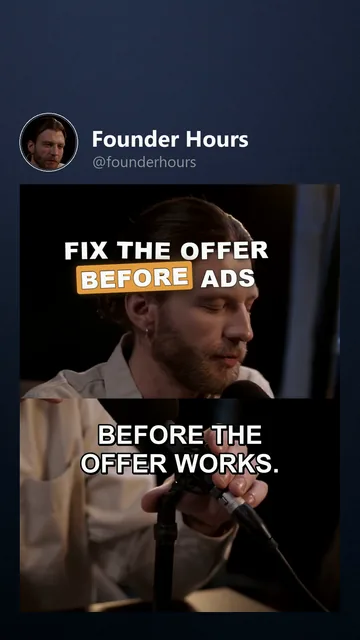
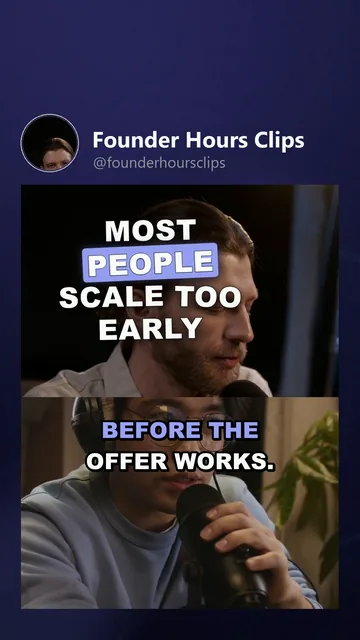
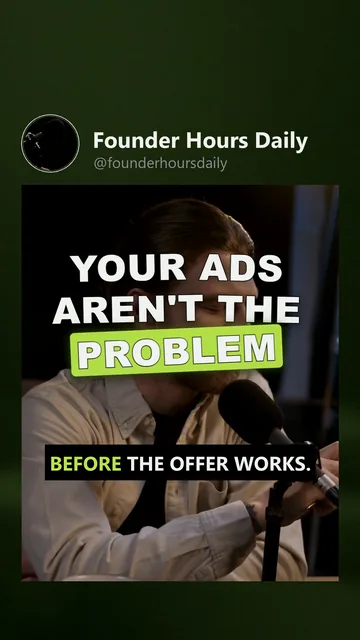
The distinction that matters is copy vs. variant:
| What it is | How it lands | |
|---|---|---|
| Copy | The same file, or the same file re-exported, with the same look and text | Mirror pages built this way test poorly, then stop getting tested at all |
| Variant | The same source rendered as a different post for that page: its own hook, caption style, overlays, background, texts | Two viewers following both pages see two posts, not one twice |
 Click to enlarge
 Click to enlarge
 Click to enlarge
That's the distinction VidVertex is built around — one stack, one render per brand with that brand's own pools, hook angles and texts, plus a randomizer pass that makes the outputs technically distinct files (how variants are produced). By hand, the same rule: change the post before you change the file, and if all you can change is the file, you're posting a copy.
Cross-platform is not the problem
Posting your TikTok to Shorts and Reels is normal, expected, and what the platforms' own tools encourage. Each platform only sees its own copy.
Two things do hurt — the other platform's watermark on the file (both Instagram and TikTok deprioritize it) and the in-app sound that isn't licensed outside the app (muted audio).
Render once from the source, clean, with audio you're allowed to use everywhere, and cross-posting is simply distribution (cross-posting).
A repost routine that doesn't hurt
- Quarterly, pick the top five by completion rate, not views.
- Re-cut each one — new opening moment, new hook line, new cover, new caption — and post it as a new video on the same page, months after the original.
- For sibling pages, render the source as each page's variant, never forward the file.
- Log what went where. When you run several pages, "did this already go to that account" becomes a real question within weeks. VidVertex keeps an upload history per stack and warns before a run when a file or text already went to an account; a spreadsheet does it by hand.
- Watch the ratio. A page whose recent history is mostly re-runs is a page that looks unoriginal over a rolling month. Keep reposts a minority.
Your content is yours to reuse. Just reuse the idea in public and the file in private.
 START HERE · 3 MINCross-posting right: what actually differs between platforms"Just post it everywhere" is correct — and still done wrong most of the time. The differences that matter aren't the ones people obsess over.FINDING CONTENT · 3 MINRepurposing 101: one piece of content is never one postThe most undervalued asset in content is the content you already made. Repurposing isn't recycling leftovers — it's refusing to pay twice for the same work.